Zeny
AI handles the ordering complexity. Merchants focus on the craft of food.

The problem
01 / 07We build the layer between chat and kitchen.
The Zeny manifesto
Every order in Pakistan starts with a WhatsApp message from someone under 45 and ends with a rider at a gate. Between those two moments (across two, five, twenty branches) sits chaos: missed stock, late prep, blind dispatch.
Zeny exists to replace that chaos with a single operating layer that forecasts demand, stages inventory, and routes couriers before the spike arrives.
The scaling paradox
02 / 07The manifesto names the chaos. A later chapter explains why it compounds: every system a growing chain buys was built for a single kitchen, so each new branch adds another tool instead of absorbing one. Growth itself becomes the thing that breaks the operation.
The book ends that chain on a flat line (the cycle repeats until the system breaks), then puts figures against the two states. These are the argument the document makes to internal and investor readers, not outcomes measured in a live kitchen. Zeny never shipped.
The chapter closes on a line that reads as the identity in miniature: AI manages the chaos. The chef manages the craft. It is the same From Chaos to Craft framework that organises the identity system, stated as an operating claim rather than a design one.
Positioning
03 / 07Make every Pakistani store 15 minutes ahead of demand.
We give multi-branch operators a console that replaces six tools with one. Forecast, prep, dispatch, and settle across every location: AI-assisted, every metric visible, every rupee accounted for.The operating system for South Asian retail chains.
Every growing chain, dark kitchen network, and multi-branch restaurant across Pakistan running on one real-time layer: demand predicted, supply staged, delivery optimised. Not a dashboard. An operating reflex.Naming who the product is not for did more work than any feature list. It set the floor at two branches, which in turn decided the whole interface: if the smallest customer runs two kitchens, the dashboard is a comparison view before it is anything else.
Audience architecture
04 / 07Two audiences that never meet. Merchants were segmented by operational scale, consumers by lifestyle intent: a 3×3 classification where every segment carries its own psychographic driver, retention trigger, north-star metric and interface requirement.
Three of these carried the product. Each one is defined by what would make them trust the system, not by demographics.
Ayesha is the one that shaped the brand most. She is a user of the system and will never see it, which is why the consumer-facing surface is a WhatsApp thread and not an app, and why the identity had to work at the scale of a restaurant's own branding rather than competing with it.
Principles & voice
05 / 07Five principles to settle arguments before they start, and four rules for how the product speaks.
Identity system
06 / 07From Chaos to Craft.
The framework the mark is built on, and the shortest statement of the whole product. The problem is chaos: missed stock, late prep, blind dispatch. The answer is the positioning itself: AI absorbs the ordering complexity so the merchant is left with the craft of food.
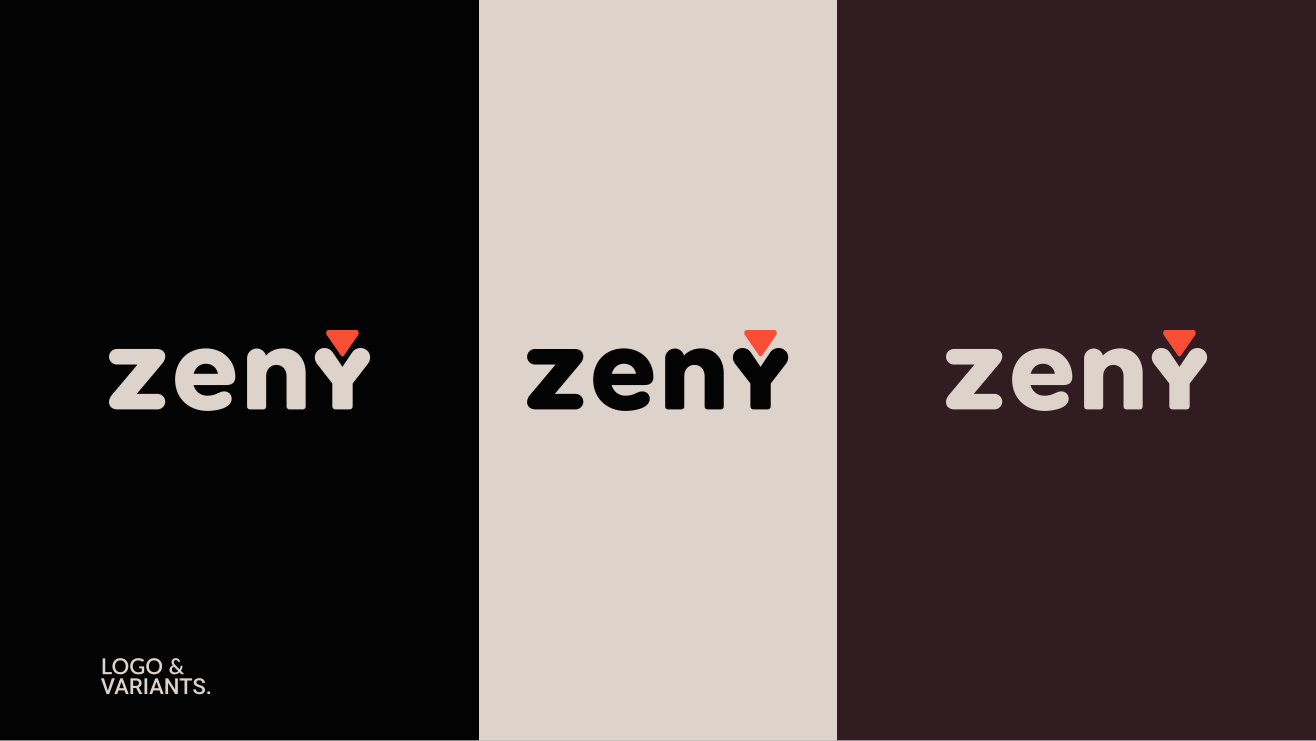
A lowercase wordmark in a rounded geometric sans, with an inverted terracotta triangle set into the arms of the Y: a cursor, a play head, a drop. The palette is deliberately warm and unlit: this is a tool used in kitchens, not a fintech dashboard.

Oo Pp Qq Rr Ss Tt Uu Vv Ww Xx Yy Zz
Wordmark & surfaces
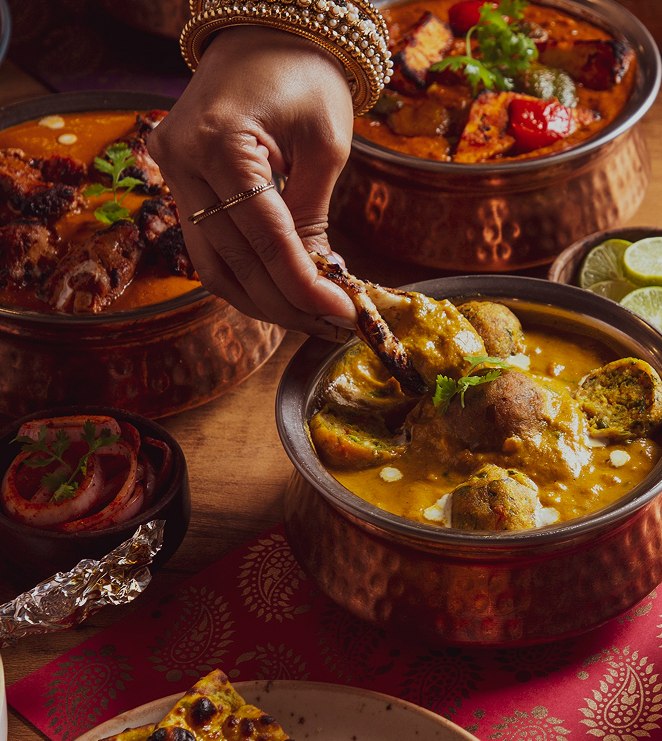
Photography direction
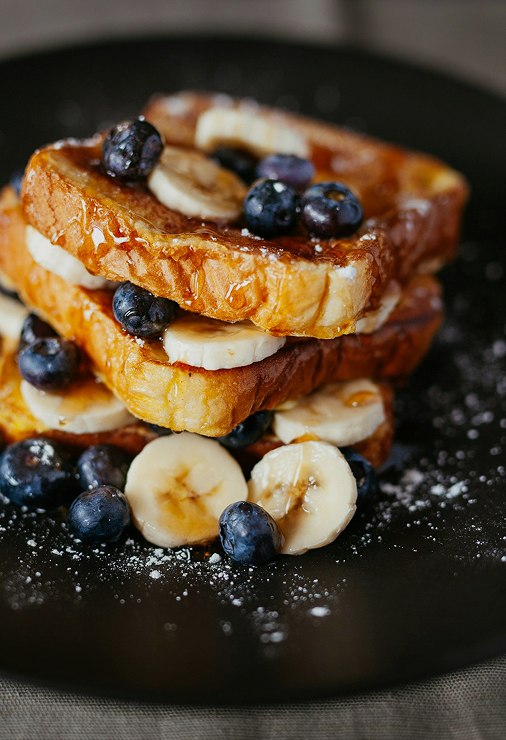
Food shot close, warm and hand-held: the craft the operator is trying to protect while the system handles everything around it. Reference imagery, not commissioned photography.

The agentic vision
07 / 07A second version of the strategy widened the scope. The product stopped being a way to take orders and became the infrastructure underneath them.
The agentic retail ecosystem that runs Pakistani commerce.
From the moment a customer types “biryani” in WhatsApp to the moment a rider hands over the bag. Not a chatbot. Not a dashboard. An agentic system where AI handles the ordering complexity so merchants can focus on the craft of food.